






How to Select the Right Industrial Filter Housing for Water, Chemical, or Seawater Systems
Choosing the correct industrial filter housing is essential for ensuring equipment protection, stable operation, and long-term cost control. Water treatment plants, chemical facilities, and seawater desalination systems all require filter housings that match their specific process conditions.
The following guide summarizes the key factors engineers should evaluate before selecting a filter housing.
1. Identify the Liquid and Its Corrosiveness
The first step in selecting a filter housing is a clear understanding of the medium being treated. Different liquids exhibit different corrosion, temperature, fouling, and particulate characteristics.
✔ Water Treatment Applications
Generally non-corrosive but may contain suspended solids, sand, or organic matter.
Filter housings typically include SS304, SS316L, or coated carbon steel.
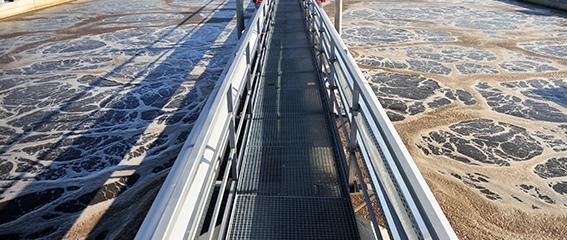
Applications include RO pretreatment, cooling water, industrial process water, and wastewater polishing.
✔ Chemical Processing Applications
Often corrosive, reactive, or solvent-based.
Requires accurate selection of corrosion-resistant materials such as SS316L, Duplex stainless steel, Hastelloy, or PTFE-lined housings.
Consider chemical compatibility charts and operational pH ranges.
✔ Seawater and High-Salinity Systems
Highly corrosive due to chloride ions.
SS316L, Duplex (2205), Super Duplex (2507), or specially coated interiors are preferred.
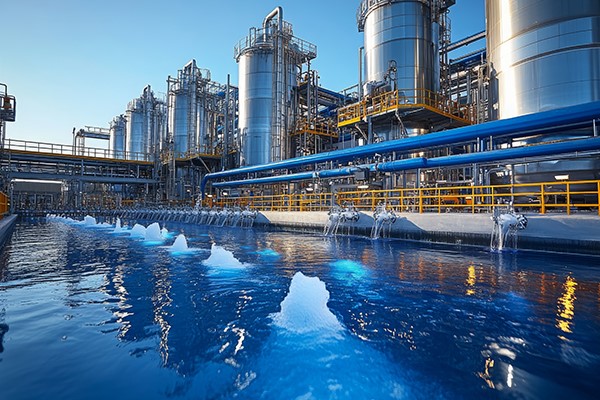
Critical for desalination plants, offshore platforms, seawater cooling, and intake filtration.
Selecting the housing material based on the liquid’s chemistry directly affects equipment lifespan and maintenance cost.
2. Match the Housing to Your Filtration Purpose
Each process requires a specific filtration function:
RO and UF pretreatment: Cartridge or security filter housings
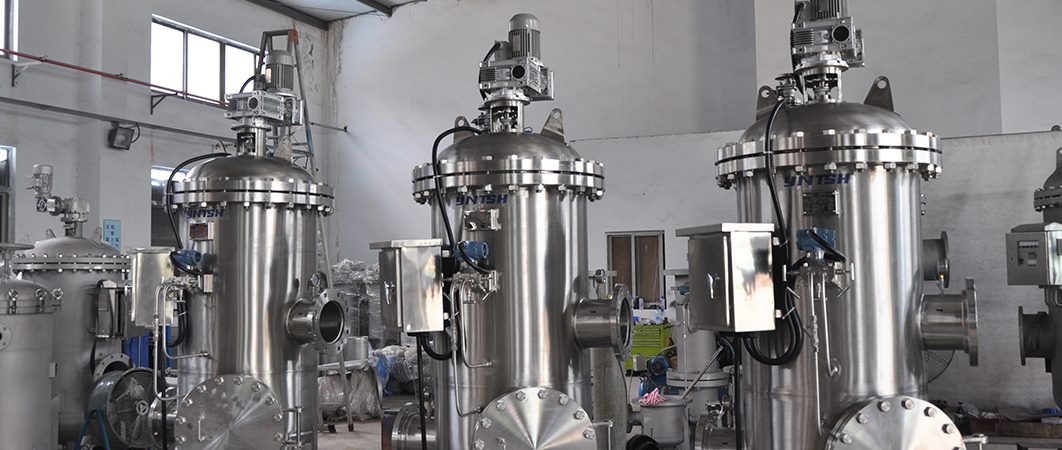
High-solids or fluctuating turbidity: Self-cleaning filter housings
Chemical processing: Pressure-rated, corrosion-resistant housings
Food & beverage: Sanitary stainless steel housings
The filtration objective determines the housing structure, size, and internal element type.
3. Confirm Filtration Accuracy and Element Compatibility
Choose the housing that supports the required filter element:
Cartridge filters (1–50 μm): RO protection, product polishing
Bag filters (10–200 μm): High flow and general-purpose filtration
Wedge wire elements: Anti-clogging applications or high-solids systems
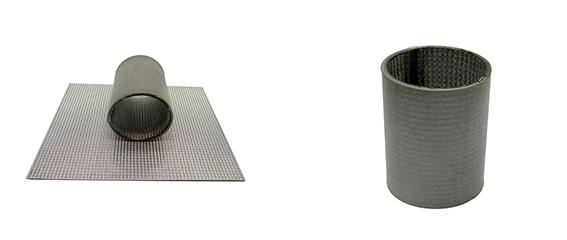
Sintered metal elements: High temperature, high pressure, or catalyst recovery
Filtration accuracy should be based on particle size, product requirements, and allowable pressure drop.
4. Check Operating Pressure, Temperature, and Flow Rate
Proper sizing prevents pressure loss and safety risks. Verify:
Maximum operating pressure
Operating temperature
Flow rate (m³/h or GPM)
Viscosity and solids loading
Industrial systems typically require 1.0–3.0 MPa depending on application.
5. Choose the Right Cleaning Method
Maintenance strategy affects long-term cost:
Self-cleaning housings: Best for seawater and high-solids water
Cartridge housings: High accuracy, replaceable consumables
Bag housings: Simple operation and low labor cost
Backpulse housings: High-temperature or catalyst applications
Select the cleaning method that supports your uptime requirements.
6. Ensure Compliance With Industry Standards
Reliable filter housings should follow standards such as:
ISO9001, ISO14001, ISO45001
CE, FDA, ASME
GB/T and drinking water standards for local compliance
Request material certificates, test reports, and quality documentation when necessary.
Choosing the right industrial filter housing requires evaluating the liquid characteristics, filtration purpose, accuracy, operating conditions, and maintenance strategy. When these factors are aligned, the filtration system delivers higher reliability, lower operating costs, and longer service life.
For technical evaluation or customized filter housing design, YUBO's engineering team provides professional consultation and tailored filtration solutions for water, chemical, and seawater applications.