






Pipeline Filter vs Basket Strainer: What’s the Difference?
Pipeline Filter vs Basket Strainer: What's the Difference?
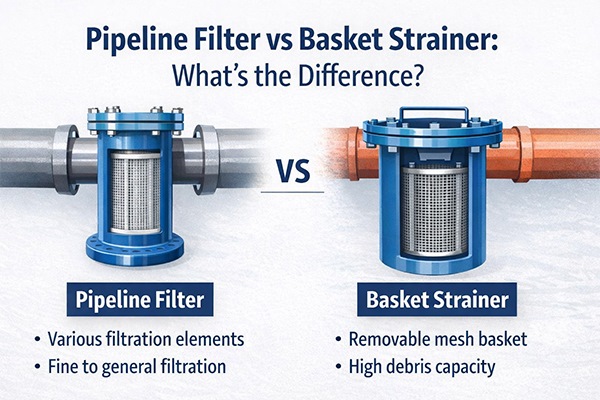
The difference between a pipeline filter and a basket strainer lies mainly in filtration precision, structure, and application purpose. A pipeline filter is a broader category of filtration equipment used for removing particles from fluids, while a basket strainer is a specific type of pipeline filter designed for coarse filtration and high debris capacity.
What Is a Pipeline Filter?
A pipeline filter is an inline device installed in a piping system to remove solid contaminants from liquids or gases. It protects downstream equipment such as pumps, valves, and heat exchangers by preventing particles from entering sensitive components.
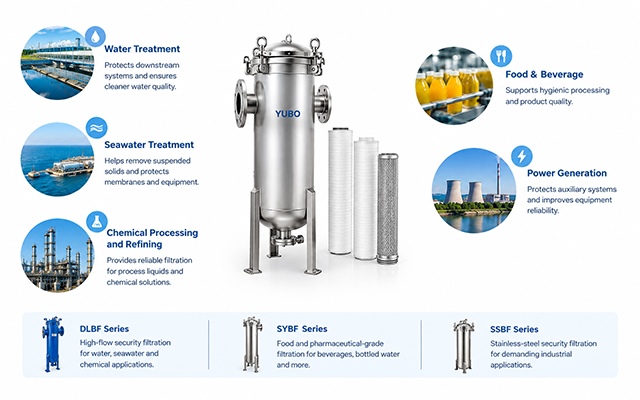
Pipeline filters are used across industries including:
• Water treatment
• Chemical processing
• Oil and gas
• Food and beverage
• Power generation
Depending on the required filtration accuracy, pipeline filters may use different filter elements such as mesh screens, cartridges, or bags.
What Is a Basket Strainer?
A basket strainer is a type of pipeline filter that uses a removable basket-shaped screen to capture debris. YUBO's TGF series is designed as an industrial basket strainer for this type of application. It is primarily designed for coarse filtration, where large particles must be removed from the fluid stream.
Basket strainers are typically installed in horizontal pipelines and are widely used in systems where:
• Contamination levels are relatively high
• Flow rates are large
• Frequent cleaning is required
Because of their large filtration area, basket strainers can handle higher debris loads compared to more compact filtration devices.
Pipeline Filter vs Basket Strainer: Key Differences
Although basket strainers belong to the broader category of pipeline filters, they differ significantly in design and application. The table below highlights the main differences.
| Aspect | Pipeline Filter | Basket Strainer |
|---|---|---|
| Definition | General filtration device used in pipelines | Specific type of pipeline filter with basket element |
| Filtration Precision | Can be coarse to fine (depending on element type) | Typically coarse filtration |
| Filter Element | Cartridge, bag, mesh, or candle | Basket-shaped mesh screen |
| Debris Capacity | Moderate to high (varies by design) | High debris holding capacity |
| Typical Use | Precision filtration or general process protection | Removal of large particles and heavy debris |
| Maintenance | Depends on filter type | Easy cleaning by removing basket |
| Installation | Inline, various orientations | Usually horizontal installation |
In simple terms, all basket strainers are pipeline filters, but not all pipeline filters are basket strainers.
When Should You Use a Pipeline Filter?
A basket strainer, such as YUBO's TGF series, is more suitable when:
• Fine filtration is required (e.g., micron-level particle removal)
• Process quality depends on fluid cleanliness
• Downstream equipment is sensitive to small particles
• Multi-stage filtration is needed
Typical examples include:
• Pharmaceutical processes
• Food and beverage production
• Precision chemical processing
In these applications, cartridge filters or bag filters are often used to achieve higher filtration accuracy.
When Should You Use a Basket Strainer?
A basket strainer is more suitable when:
• The main goal is removing large debris
• The system handles high flow rates
• Contamination levels are relatively high
• Easy and frequent cleaning is required
Common applications include:
• Cooling water systems
• Industrial water pipelines
• Pre-filtration stages in chemical plants
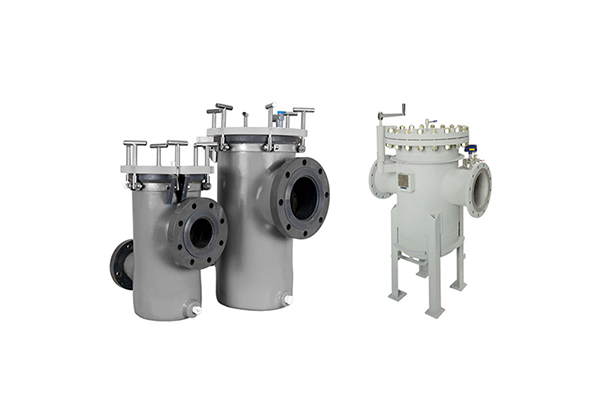
TGF basket strainers can be used as pre-filters before finer filtration systems when larger debris needs to be removed first.
How to Choose Between a Pipeline Filter and a Basket Strainer
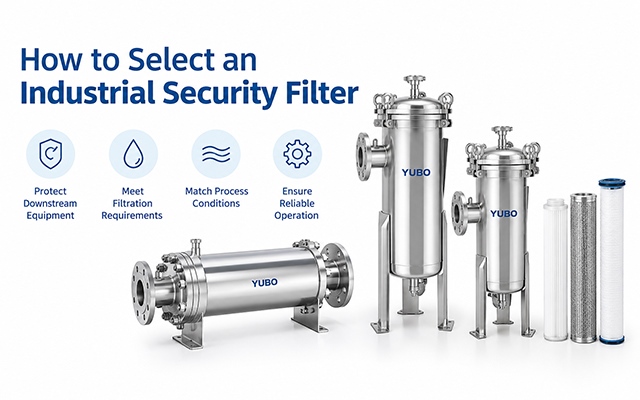
Choosing the right filtration device depends on several practical factors.
1. Required Filtration Accuracy
If your system requires fine filtration (e.g., below 100 microns), a general pipeline filter with cartridge or bag elements is more appropriate.
If coarse filtration is sufficient, a basket strainer is usually more efficient.
2. Contamination Load
For systems with heavy debris or large particles, basket strainers are preferred because of their higher dirt-holding capacity.
For cleaner systems with smaller particles, pipeline filters provide better performance.
3. Flow Rate
High-flow industrial systems benefit from basket strainers due to their larger filtration area.
Lower-flow or precision systems are better suited for cartridge or bag-type pipeline filters.
4. Maintenance Requirements
Basket strainers are easier to clean and maintain, making them suitable for systems that require frequent servicing.
Pipeline filters with replaceable elements may require more careful maintenance but offer higher filtration precision.
Common Mistake: Treating Them as the Same
A common mistake in industrial filtration design is using the terms pipeline filter and basket strainer interchangeably.
This can lead to:
• Oversized or undersized filtration systems
• Inadequate filtration performance
• Increased maintenance frequency
• Reduced equipment protection
Understanding the functional differences helps avoid these issues and ensures proper system design.
Practical Selection Approach
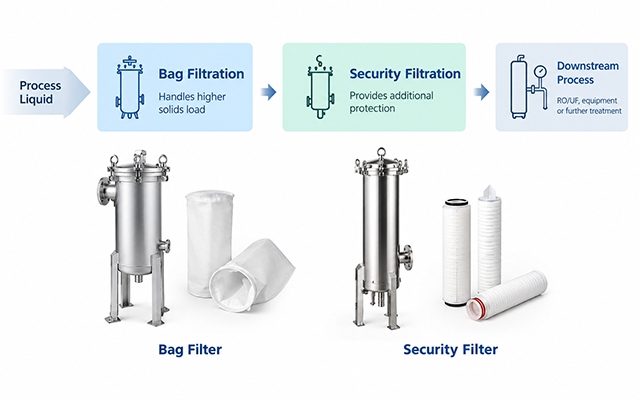
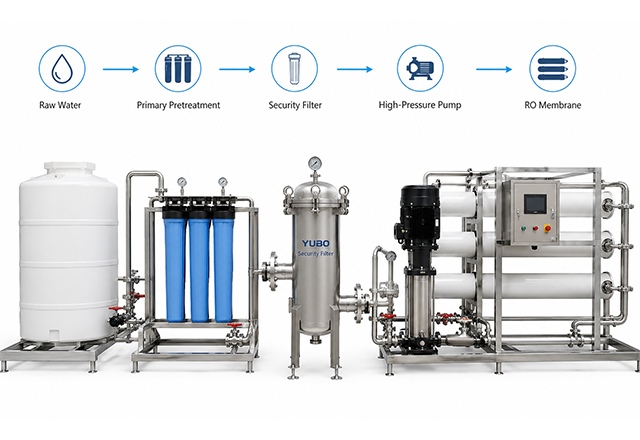
For most industrial systems, a combination of filtration devices is often used:
• TGF basket strainer → removes large debris (pre-filtration)
• Pipeline filter with finer filtration → removes smaller particles
This staged filtration approach improves efficiency and extends the service life of filter elements.
The difference between a pipeline filter and a basket strainer comes down to function and filtration level. A pipeline filter is a broad category covering various filtration technologies, while a basket strainer is a specific solution designed for coarse filtration and high debris capacity.
Selecting the right option depends on filtration precision, contamination level, flow rate, and maintenance requirements. In many industrial systems, combining both types provides the most effective and reliable filtration solution.
For a complete guide, visit our Pipeline Filter Guide and Work Principle
FAQ: Pipeline Filter vs Basket Strainer
1. Is a basket strainer the same as a pipeline filter?
No. A basket strainer is a type of pipeline filter, but pipeline filters include a wider range of filtration devices such as cartridge and bag filters.
2. Which is better for high flow systems?
Basket strainers such as YUBO's TGF series can be suitable for high-flow systems because they offer a large filtration area and high debris-holding capacity.
3. Can a basket strainer provide fine filtration?
No. Basket strainers are designed for coarse filtration. Fine filtration requires cartridge or bag-type pipeline filters.
4. Do industrial systems use both?
Yes. Many systems use basket strainers for pre-filtration and pipeline filters for fine filtration to achieve optimal performance.
More FAQs: Pipeline Filter&Strainer Common Questions Answered