






What Is a Pipeline Filter and How Does It Work?
Pipeline filters are essential for protecting pipelines and industrial equipment by removing debris and impurities. At Yubo Filtration, we specialize in Y-type, T-type, and basket-type pipeline filters for chemical, food, pharmaceutical, and water treatment industries.
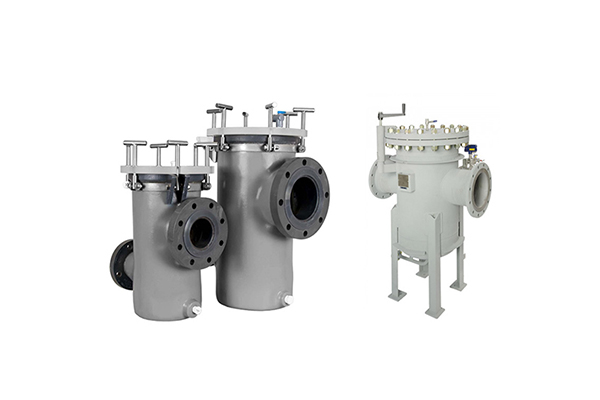
A pipeline filter is a mechanical filtration device installed in a piping system to remove solid contaminants from liquids or gases. It protects downstream equipment, such as pumps, compressors, valves, and meters, by capturing debris before the fluid continues through the pipeline.
Pipeline filters work by directing the flowing medium through a screen or basket filtration element, which traps particles while allowing clean fluid to pass. Learn more about the main components of a pipeline filter and how each part affects filtration performance.
Because they maintain clean process flow and protect critical equipment, pipeline filters are widely used in chemical processing, petroleum systems, water treatment, power generation, and food manufacturing pipelines.
What is Pipeline Filter?
In industrial fluid systems, a pipeline filter is defined as a protective filtration device used to remove suspended solids from fluids flowing through pipelines.
During normal operation, pipelines may carry contaminants such as:
• rust particles
• welding residue
• sand or scale
• corrosion debris
• process solids
If these particles reach sensitive equipment, they may cause blockage, abrasion, or mechanical failure. Pipeline filters intercept these impurities, helping maintain stable flow conditions and reliable equipment operation.
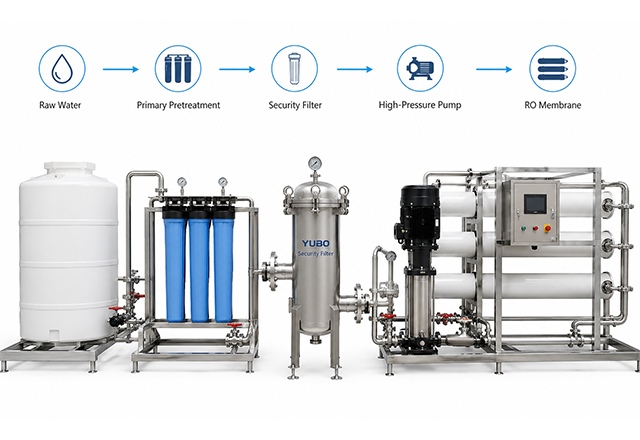
For this reason, pipeline filters are typically installed upstream of pumps, compressors, control valves, and heat exchangers.
How Does a Pipeline Filter Work?
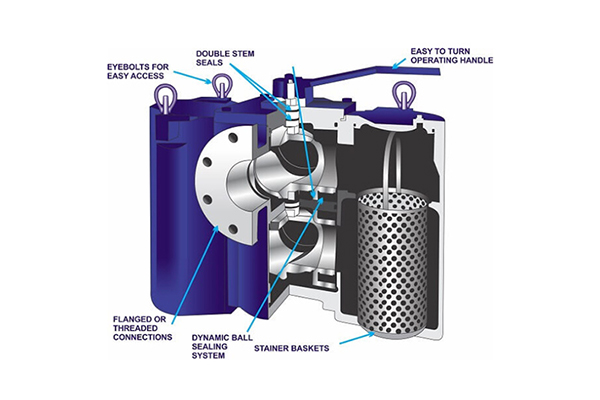
The working principle of a pipeline filter is simple and reliable. Contaminated fluid enters the filter housing and flows through a filter element that captures particles while allowing clean fluid to continue downstream.
Typical pipeline filtration process
1. Fluid enters the filter housing
The process fluid flows into the pipeline filter through the inlet connection.
2. Flow passes through the filter element
The fluid moves through a screen or perforated basket with defined openings.
3. Solid particles are captured
Contaminants larger than the screen openings are trapped inside the filter element.
4. Clean fluid exits the filter
Filtered fluid flows through the outlet and continues to the downstream equipment.
5. Collected debris is removed during maintenance
When particles accumulate, the filter element is removed and cleaned.
This mechanical filtration method allows pipeline filters to operate continuously while maintaining clean process flow.
For practical installation considerations, see our guide to [pipeline filter installation, including flow direction, installation position, and maintenance access].
Main Types of Pipeline Filters
Industrial pipeline filtration systems typically use several structural designs depending on pipeline size, contamination level, and operating conditions.
1. Y-Type Pipeline Filter (YGF Series)
A Y-type pipeline filter uses a compact Y-shaped body with an angled filtration screen.
Key characteristics
Compact and lightweight structure
Suitable for high-pressure pipelines
Can be installed horizontally or vertically
Easy maintenance through a drain connection
Y-type filters are commonly used in steam pipelines, chemical systems, and water supply lines.
2. T-Type Pipeline Filter (TGF Series)
A T-type pipeline filter features a vertical filtration chamber containing a removable basket element.
Advantages
Larger filtration area
Higher dirt-holding capacity
Suitable for higher flow rates
This design is often used in industrial process pipelines with larger diameters and higher contamination loads.
3. Basket Pipeline Filter (DGF Series)
The basket pipeline filter uses a cylindrical basket element that provides a large filtration surface area.
Key features
High debris capacity
Low pressure drop during operation
Convenient top-cover maintenance
Basket pipeline filters are widely applied in cooling water systems, petrochemical plants, and industrial process pipelines.
Learn more about the difference → Pipeline Filter vs Basket Strainer
Comparison of Common Pipeline Filter Types
| Feature | YGF Pipeline Filter | TGF Pipeline Filter | DGF Pipeline Filter |
Structure | Y-shaped body | T-shaped body | Basket chamber |
Filter element | Screen | Basket or screen | Large cylindrical basket |
Filtration area | Small | Medium | Large |
Dirt holding capacity | Low | Medium | High |
Installation space | Very compact | Medium | Larger |
Flow capacity | Small–medium | Medium–large | Large |
Maintenance | Frequent cleaning | Moderate | Longer intervals |
Typical pipeline size | Small pipelines | Medium pipelines | Large pipelines |
Typical use | Pump protection | Process filtration | High-flow filtration |
This comparison helps engineers select the appropriate filter based on flow rate, pipeline size, and contamination level.
How to Choose the Right Pipeline Filter
When selecting the right pipeline filter, consider the following factors:
• Flow rate & pressure: Ensure filter can handle maximum operating flow and pressure.
• Particle size: Choose the filter screen based on the size of particles to be removed.
• Material: Stainless steel 304/316 for corrosion resistance.
• Maintenance: Consider ease of cleaning and replacement.
• Application: Y-type for moderate flow, T-type for high flow or viscous fluids, basket-type for large volume easy cleaning.
In-depth Reading: Pipeline Filter Industrial Select Guide
Why Pipeline Filters Are Important in Industrial Systems
Pipeline filters play a critical role in maintaining reliable pipeline operation.
• Equipment protection
Filters prevent solid particles from entering pumps, compressors, and valves.
• Stable industrial processes
Removing impurities helps maintain consistent flow conditions.
• Reduced maintenance costs
Early removal of contaminants reduces wear and equipment failure.
• Improved system reliability
Clean pipelines reduce unplanned downtime and operational interruptions.
Because of these benefits, pipeline filtration is considered a basic protective measure in most industrial fluid systems.
In-depth Reading: Pipeline Filter Applications in Industrial Systems
Typical Industrial Applications
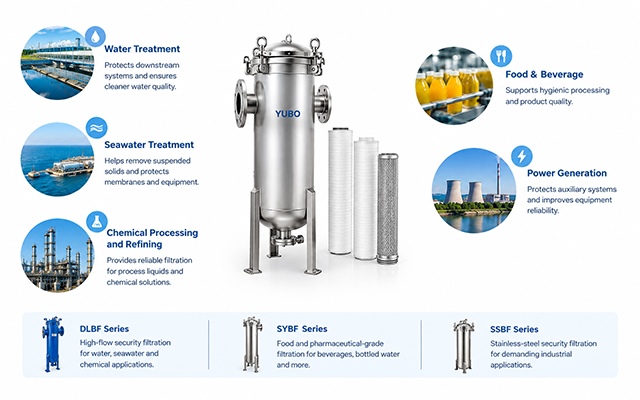
Pipeline filters are used across many industries where fluid cleanliness is important.
• Chemical processing
Removes process solids and corrosion particles from pipelines.
• Oil and gas systems
Protects compressors, pumps, and control valves from debris.
• Water and wastewater treatment
Removes sand, rust, and suspended particles from pipeline networks.
• Food and beverage production
Maintains product purity and protects process equipment.
• Power generation systems
Filters cooling water and process fluids in energy facilities.
Related Reading: How to Select the Right Pipeline Filter for Industrial Systems
Frequently Asked Questions
1. What is the difference between a pipeline filter and a strainer?
In many industrial contexts, the terms are used interchangeably. However, strainers typically remove larger particles using mesh screens, while filters may provide finer filtration depending on the filter element design.
2. Where should a pipeline filter be installed?
Pipeline filters are usually installed upstream of pumps, compressors, pressure regulators, heat exchangers, and control valves to prevent contaminants from entering sensitive equipment.
3. How often should pipeline filters be cleaned?
Maintenance frequency depends on fluid contamination levels and filtration capacity. Many systems monitor pressure drop across the filter to determine when cleaning is required.
4. What materials are pipeline filters made from?
Industrial pipeline filters are commonly manufactured from stainless steel, carbon steel, or special alloys, depending on the fluid type and operating conditions.
More FAQs: Pipeline Filter&Strainer Common Questions Answered
A pipeline filter is an essential protective device used in industrial piping systems to remove solid impurities from liquids or gases. By passing fluid through a screen or basket element, the filter captures contaminants, ensuring that only clean fluid continues through the pipeline.
Used in industries such as chemical processing, petroleum production, water treatment, and food manufacturing, pipeline filters help protect equipment, maintain stable industrial processes, and improve overall system reliability.
Related Reading: